Communities know what protects them. At COP31, partners asked how to scale it
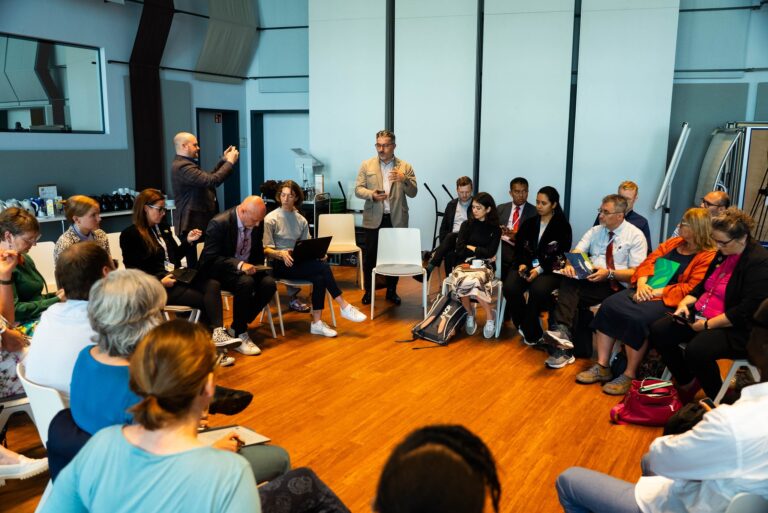
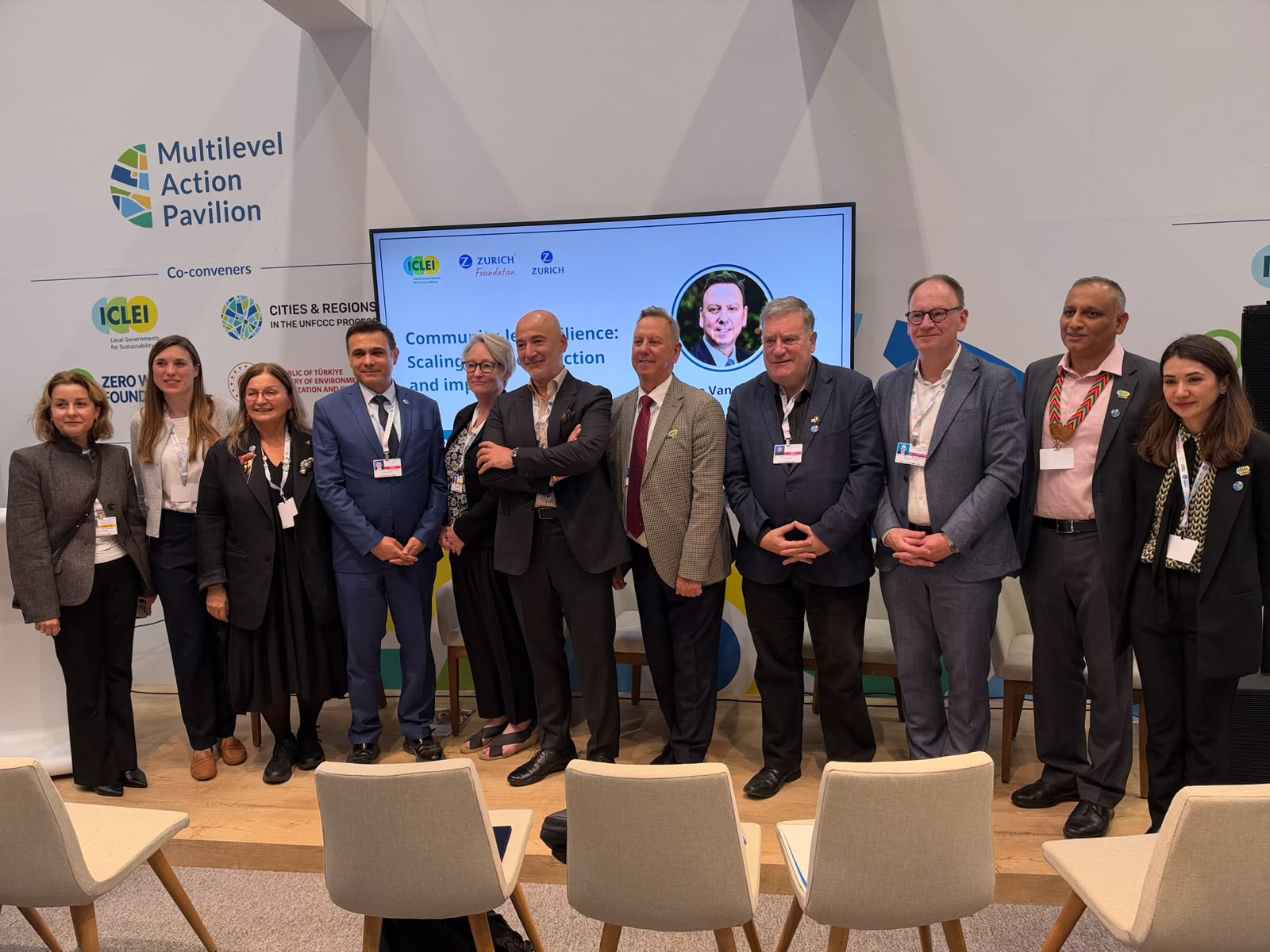
Communities facing extreme heat and flooding often know best what will protect them. The challenge is turning that knowledge into policies, budgets, and investment at scale. This was the focus of “Community-led resilience: Scaling local level action and impacts,” a session held on 12 November at the Multilevel Action Pavilion at COP31. Organized by the Z Zurich Foundation with ICLEI – Local Governments for Sustainability and Zurich Insurance Group Türkiye, the session brought together local government, the private sector, philanthropy, and development finance.
Evidence that needs a path to decision-makers
“Communities already hold much of the knowledge and evidence needed to build resilience,” said Charlotte Stemmer, Head of Adapting to Climate Change at the Z Zurich Foundation. “What’s often missing is the [link] between that evidence, those who hold the authority and those who have the resources.”
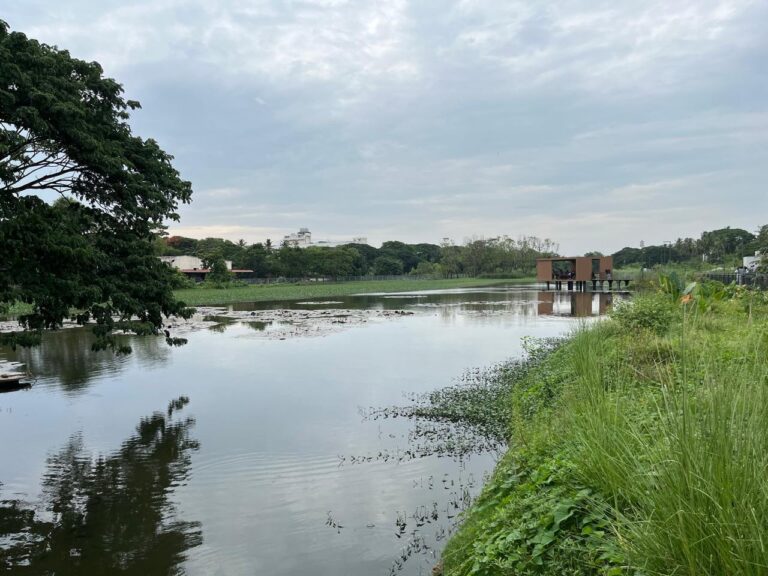
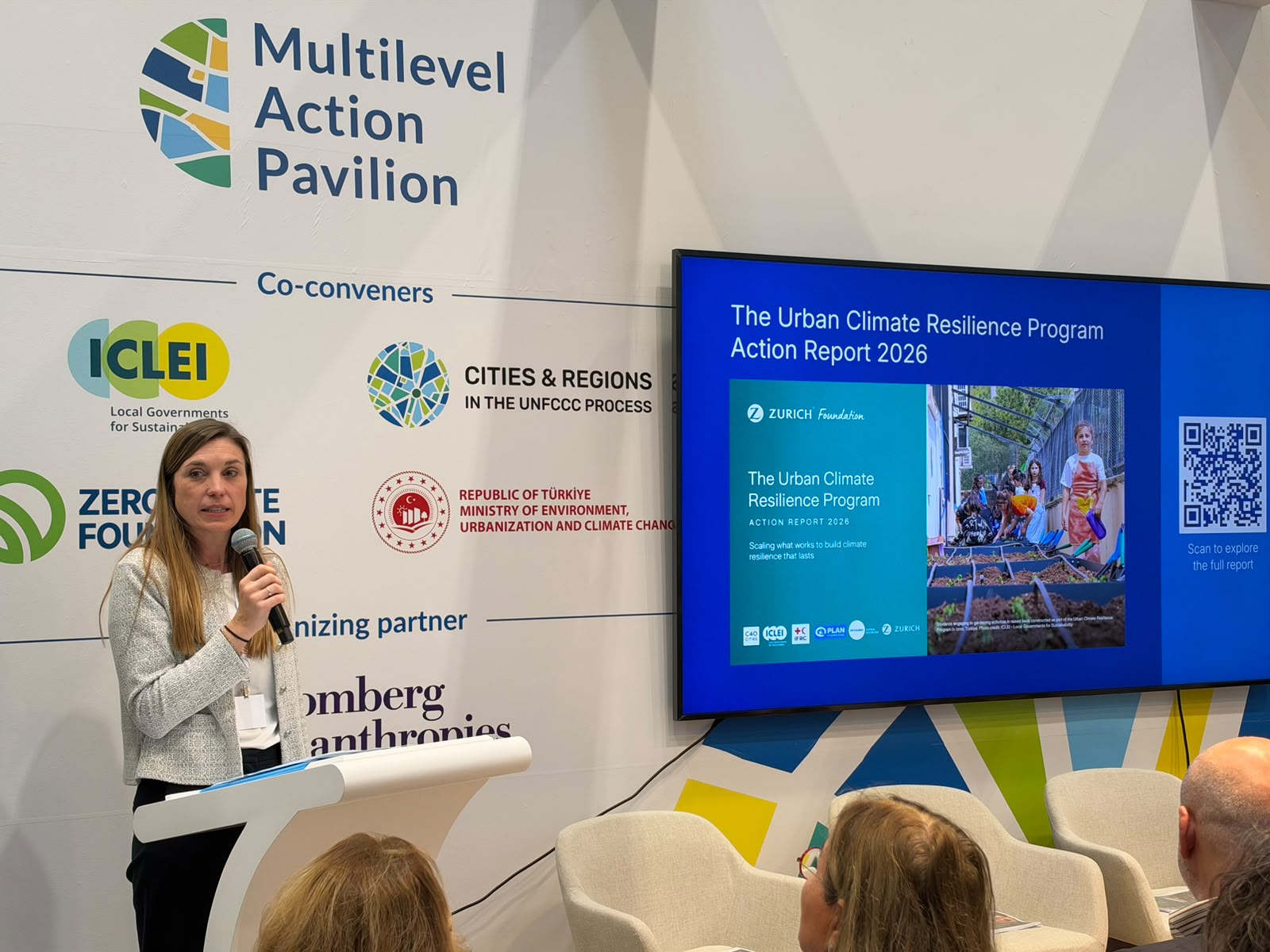
During the session, the Foundation launched its Urban Climate Resilience Program (UCRP) Action Report 2026, which draws on work in more than 50 communities. In Kuala Lumpur, Malaysia, for example, lessons from community-designed cooling centers informed city planning expected to reach more than half a million people.
Building on national and local frameworks in Türkiye
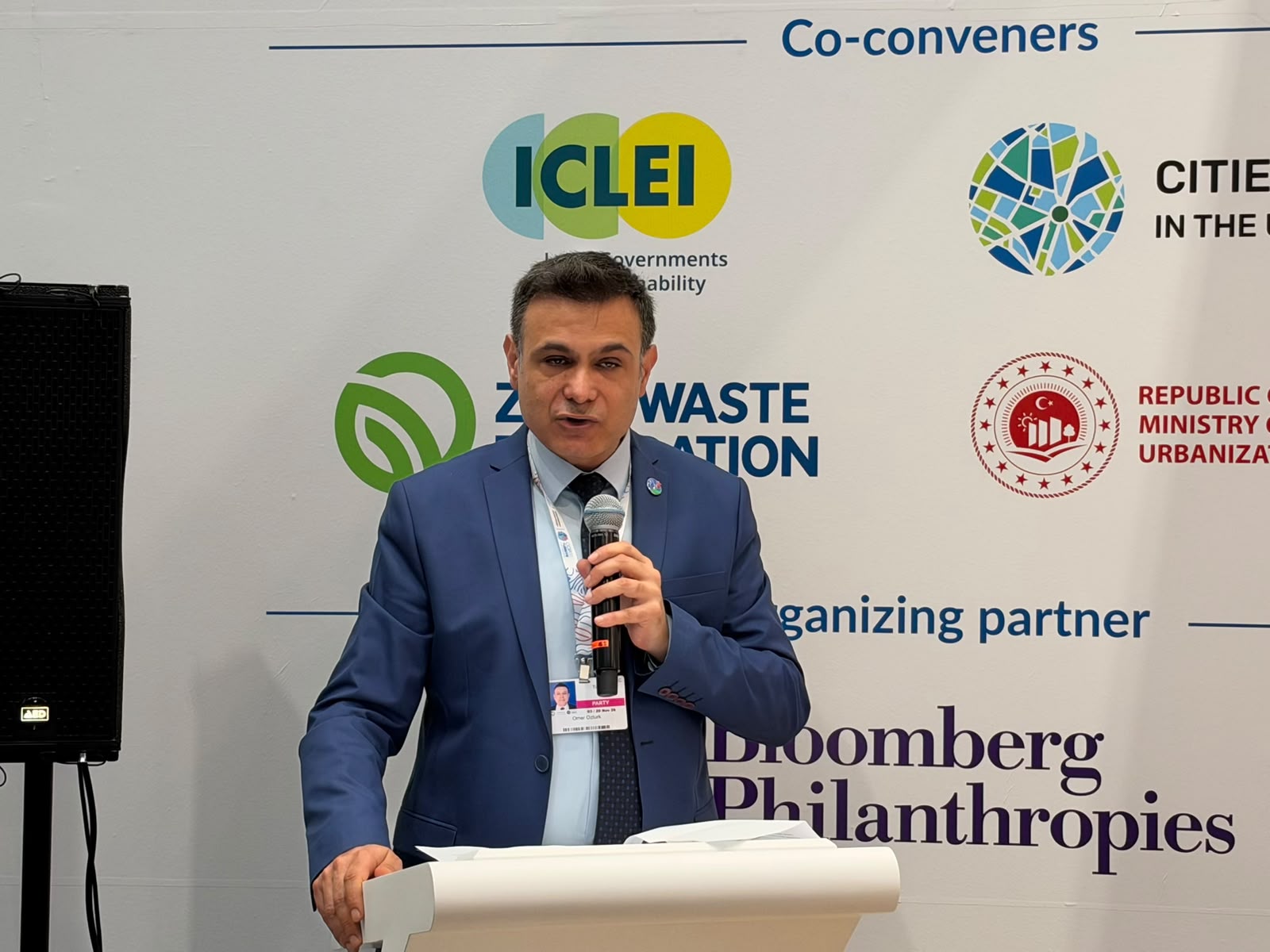
In Türkiye, a new regulation on local climate action plans, published in August 2026, supports a more systematic approach to adaptation across all 81 provinces, as presented by the Ministry of Environment, Urbanisation and Climate Change. As the program scales up to more Turkish municipalities, community-led approaches can help these plans reflect local needs.
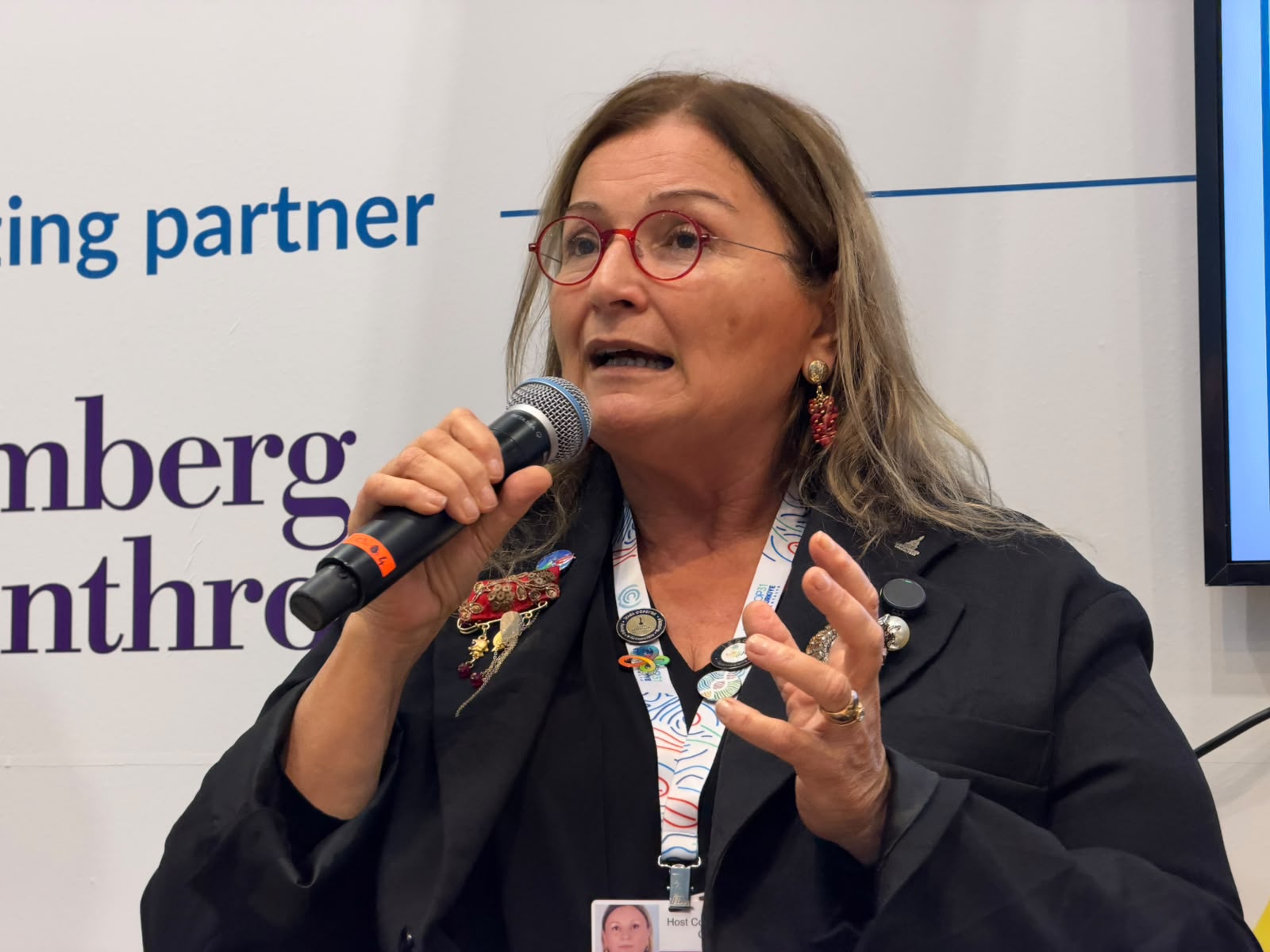
In Izmir, where ICLEI has implemented the program as the Climate Resilience for Communities project, the Metropolitan Municipality has organized citizens’ assemblies whose recommendations feed into the city’s action plans, as Pınar Okyay, Deputy Secretary General of Izmir Metropolitan Municipality, explained.
What it takes to scale
Panelists agreed that no single sector can scale community resilience alone.
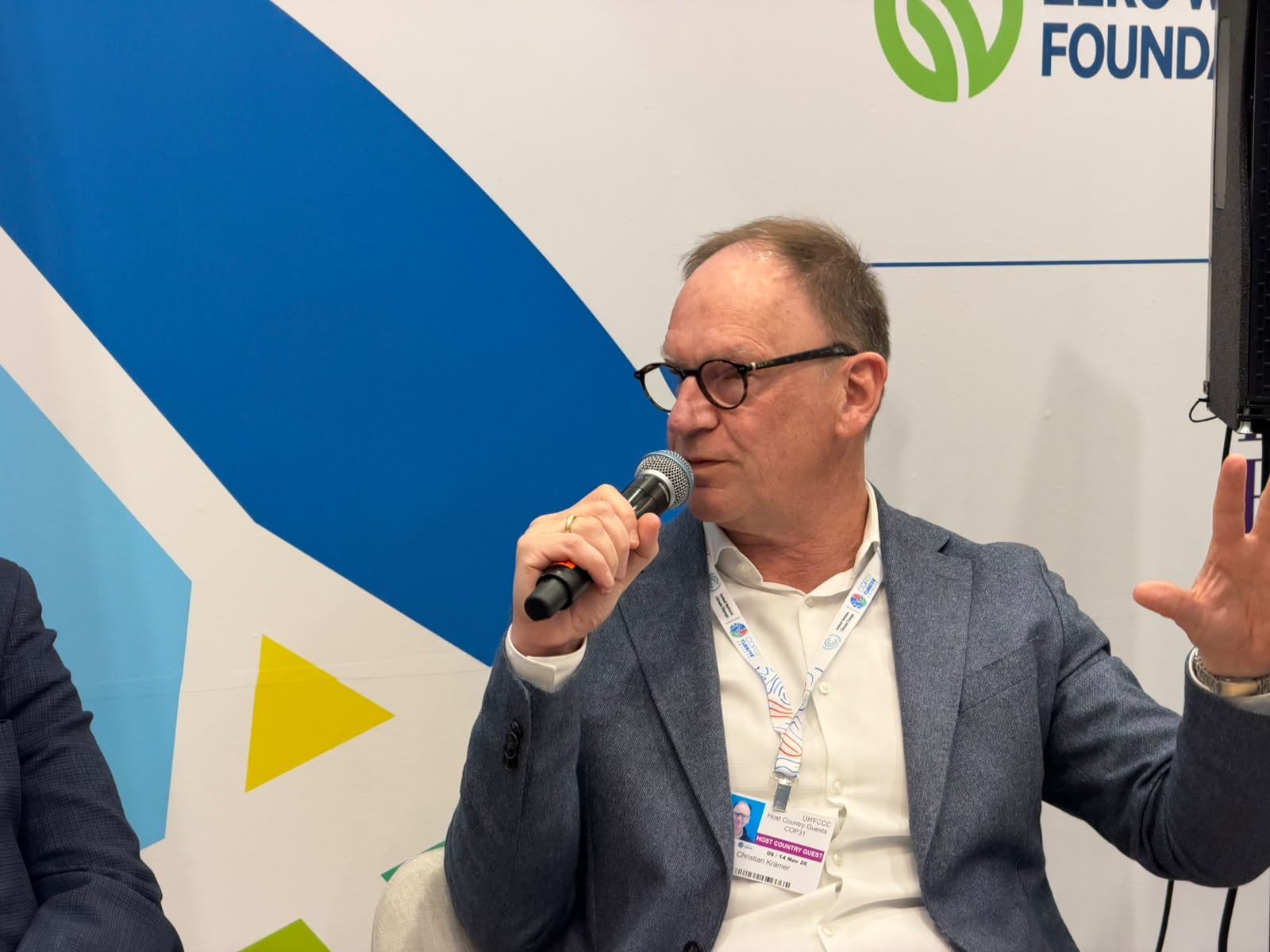
Christian Krämer, Member of the Executive Board of KfW Development Bank, described the gap between cities and lenders. “On one side, you have cities and communities with a huge need for financing, but a lack of knowledge about bankability,” he said. “On the other hand, we have banks like us, fully regulated, with a lot of bureaucracy and standardization.” His answer: technical assistance for cities, and banks that move closer to local needs.
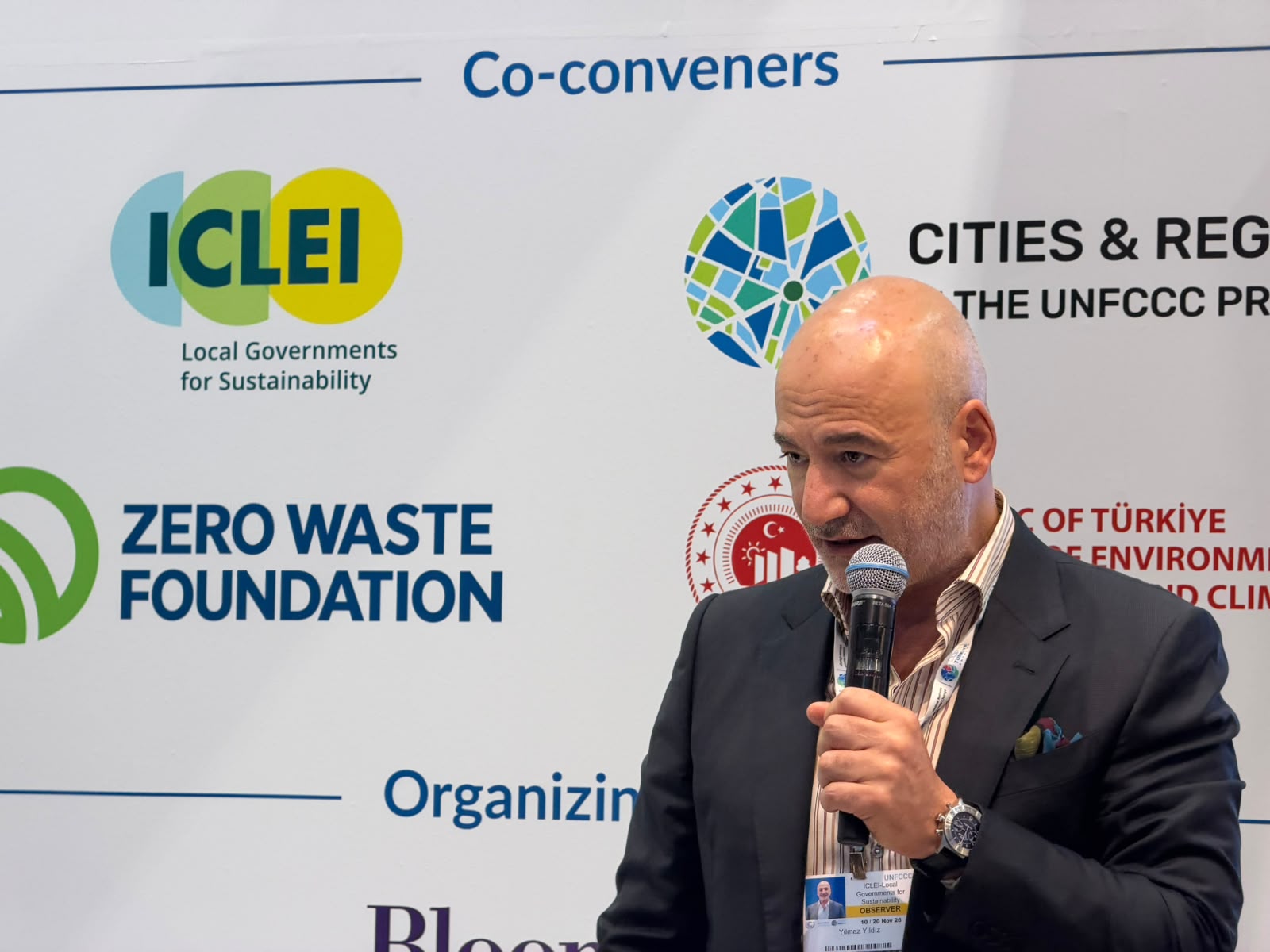
For Yilmaz Yildiz, Member of the Board of Trustees of the Z Zurich Foundation and CEO of Zurich Insurance Group Türkiye, the private sector must rethink success. “We have to define success as creating value for all our stakeholders: customers, partners, employees and the communities where we actually work,” he said.
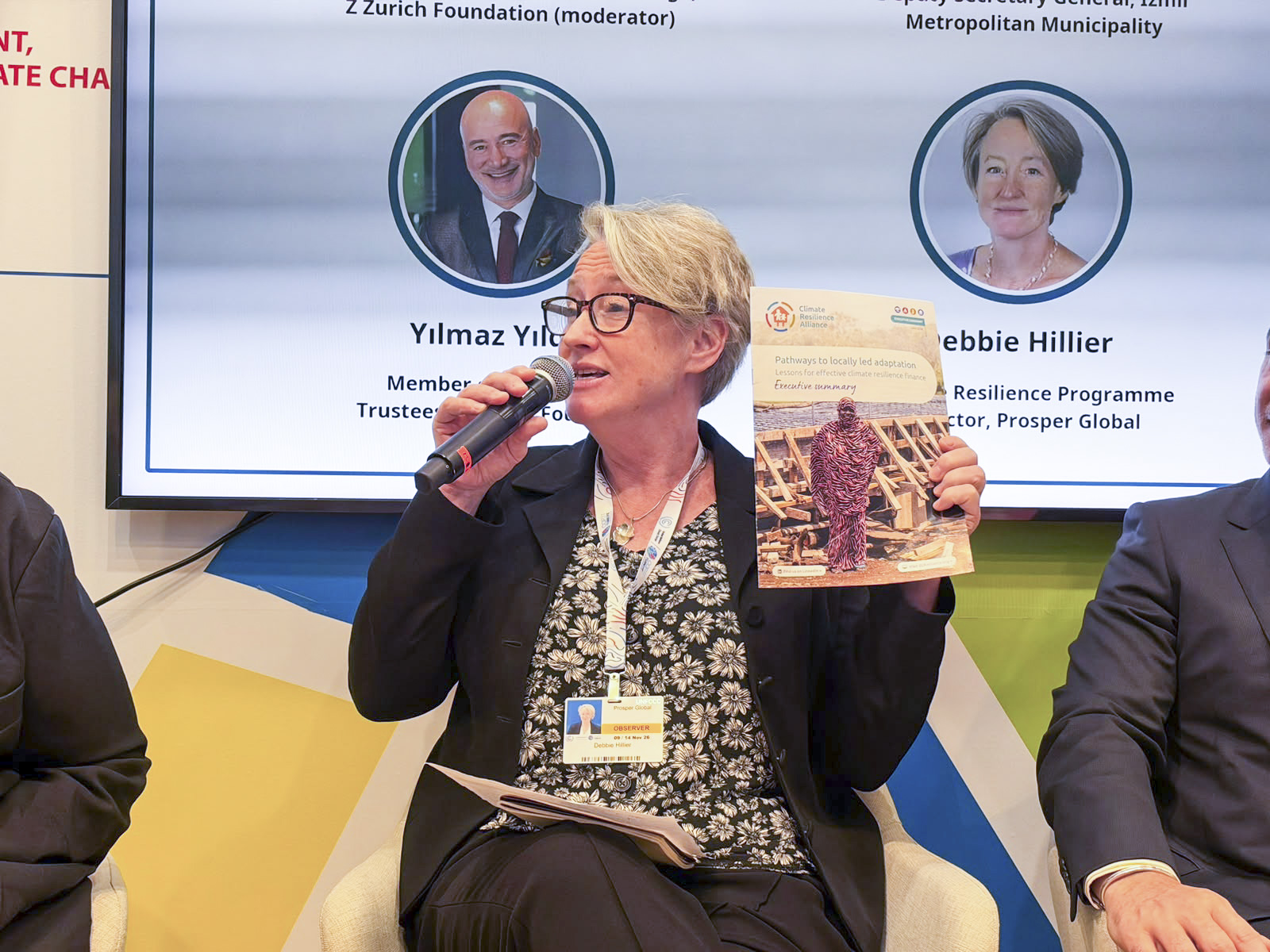
Debbie Hillier, Climate Resilience Programme Director at Prosper Global, shared lessons from the Zurich Climate Resilience Alliance on getting funding to the local level through budget tracking and public finance. She stressed that communities are ready to act. “People are not passive,” she said. “They are absorbing a lot of losses, but they’re not passive. They are responding.”
Connecting communities to every level of government
Closing the session, Gino Van Begin, Secretary General of ICLEI, underlined the need to connect communities with city halls and national priorities, including countries’ Nationally Determined Contributions (NDCs). “No community on its own, no household, can effectively respond to these challenges,” he said.
The partners will build on these lessons as community-led resilience grows in Türkiye and beyond.